Reading corporate floral service pricing and contract tips
Posted on 20/10/2026
Choosing flowers for an office, reception, venue, or client-facing space sounds simple until the paperwork lands in your inbox. That's where Reading corporate floral service pricing and contract tips become useful. A good floral supplier can make your workplace look polished and calm; a poor contract can quietly drain budget, create delivery headaches, or leave you stuck in a service that no longer fits. This guide breaks down what pricing usually covers, what contract terms deserve a second look, and how to compare options without getting lost in florist jargon.
Whether you manage a small office, a hotel lobby, a care home, an events venue, or a group of workspaces, you'll find practical ways to read between the lines, ask better questions, and avoid the little surprises that turn a tidy quote into an awkward monthly bill.
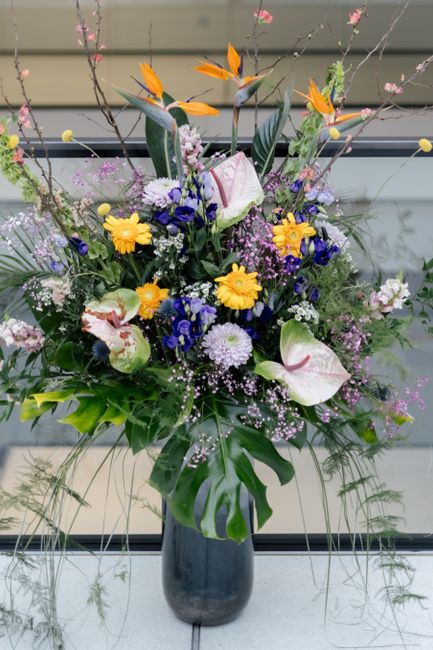
Why Reading corporate floral service pricing and contract tips Matters
Corporate flowers are not just decorative. In many businesses they do a quiet job: welcoming visitors, softening a waiting area, making a boardroom feel less sterile, or helping a brand look thoughtful and put together. But the value only works if the service is priced in a way you can actually understand.
That is the heart of the matter. A floral contract can look neat on the surface and still hide extra charges for delivery, vase hire, replacements, event installs, seasonal swaps, or a cancellation policy that is far stricter than you expected. To be fair, most reputable florists are not trying to trick anyone. The problem is usually vagueness. And vagueness costs money.
If you've ever stared at a quote and thought, "Right, but what exactly am I paying for?" you're in the right place. Good contract reading helps you judge value rather than just price. It also helps you compare suppliers fairly, because one florist may include design consultation, maintenance and scheduled refreshes while another charges separately for every little thing. Same headline price, very different reality.
In a busy office, that difference shows up fast. One week the arrangement looks perfect. The next, the blooms are tired, the vase doesn't match the reception desk, and the invoice still says the same amount. Not ideal.
How Reading corporate floral service pricing and contract tips Works
Corporate floral services are usually sold in one of a few ways: a one-off arrangement, a recurring weekly or monthly service, an event package, or a mixed agreement that covers both standing displays and special occasions. The pricing structure depends on how often flowers are replaced, the size of the arrangement, the complexity of the design, and whether the florist is also handling setup, maintenance, and collection.
Reading the pricing properly means breaking the quote into parts:
- Product cost - the flowers, foliage, containers, and decorative materials.
- Design fee - the florist's time, creative work, and arrangement labour.
- Delivery and installation - transport, timing, access, and any setup work on site.
- Maintenance or refreshes - replacing wilted stems, adjusting designs, or changing displays on schedule.
- Hire items - vases, stands, bowls, containers, or props that are not sold outright.
- Event extras - peak-day labour, same-day changes, or rush service.
- Contract terms - notice periods, payment terms, minimum spend, and service-level expectations.
The contract part matters because it sets the rules for the relationship. It should explain frequency, what happens if flowers arrive damaged, who is responsible for cleaning or returning containers, how substitutions are handled, and what happens if your office closes for a week or your event date changes. That last one is a classic. The flowers don't care that your meeting got moved, but your invoice still might.
A strong contract gives both sides clarity. A weak one leaves room for assumptions. And assumptions are where budget leaks happen.
Key Benefits and Practical Advantages
When you understand pricing and contract terms properly, you make better decisions. Simple as that. You are less likely to overpay, less likely to be locked into a poor arrangement, and more likely to get flowers that genuinely suit the space.
Here are the main advantages:
- Better budget control - you can separate core service costs from optional extras and keep spending predictable.
- Cleaner supplier comparisons - you compare like with like instead of comparing one florist's all-in price with another florist's bare minimum.
- Fewer service surprises - clear terms reduce awkward "I thought that was included" conversations.
- Improved presentation - the right arrangement, frequency, and budget create a more professional feel in the space.
- Faster decision-making - once you know what matters, choosing a florist is less of a guessing game.
- Lower risk of disputes - good contracts define expectations before anyone is unhappy.
There's also a softer benefit that businesses sometimes underestimate: flowers affect how a place feels. A fresh entrance arrangement on a Monday morning, with light catching the petals just so, can change the tone of a reception area more than people expect. Small detail, yes. But clients notice. Staff notice too.
Expert summary: the best corporate floral deal is not always the cheapest one. It is the one that clearly explains what you get, how often you get it, what happens if plans change, and how the supplier handles real-world messiness.
Who This Is For and When It Makes Sense
Corporate flower services are a good fit for organisations that want a polished environment without having to manage arrangements in-house. That might be an office manager in Reading, a hotel front desk team, a hospitality venue, a medical reception area, a property developer, or a company planning regular client-facing events.
This topic matters most when:
- you need flowers on a repeat schedule rather than as a one-off gift;
- you manage a budget and need predictability;
- you care about appearance but do not have time to micromanage every detail;
- you are comparing local florists and need to judge value properly;
- you want clearer service terms for deliveries, installs, and refreshes;
- you are planning a launch, open day, reception redesign, or seasonal brand refresh.
If you are buying for a business that already uses a service such as corporate accounts, the pricing and contract details become even more important because repeat orders can hide small charges that add up over time. You may also be comparing broader gifting options, and in that case it helps to understand how corporate gifting differs from a standing floral service. One is usually event-driven; the other is ongoing.
Not every business needs a long contract. Some only want flowers for quarterly meetings or occasional investor visits. That is fine. Sometimes a flexible one-off arrangement works better than a recurring commitment. The point is to match the service to the actual need, not the other way round.
Step-by-Step Guidance
1. Start with the space, not the bouquet
Before discussing roses, lilies, or a clever-looking mixed arrangement, look at the space. Is it a bright reception desk, a long boardroom table, a narrow counter, or a lobby that sees constant foot traffic? A large arrangement may look lovely on a showroom table and feel completely wrong in a tight entrance with nowhere to breathe.
Ask yourself what the flowers need to do: welcome, soften, impress, divide space, or add colour without getting in the way.
2. Ask for a fully itemised quote
A proper quote should show what is included and what is not. If the price is just one line with no detail, ask for a breakdown. You do not need florist-level vocabulary. Plain English is fine.
- How much is the arrangement itself?
- Is delivery included?
- Does installation cost extra?
- Are vases hired or sold?
- Are replacements included if stems wilt early?
- Are seasonal flowers priced differently?
That little bit of scrutiny saves a lot of awkwardness later. Honestly, half of good buying is just asking the obvious question calmly.
3. Read the frequency and service schedule carefully
Weekly, fortnightly, monthly, event-only - the schedule changes the economics. A quote that looks affordable monthly may become pricey if it includes frequent refreshes or onsite maintenance. Likewise, a weekly service might actually be cost-efficient if you want consistent presentation and less internal admin.
Check whether the contract states:
- delivery days and time windows;
- how often arrangements are changed;
- who removes old flowers;
- what happens on bank holidays or office closures;
- whether missed deliveries are credited or rescheduled.
4. Look for substitution rules
Flowers are seasonal and supply can vary. A sensible contract will explain what happens when the florist has to swap stems because a particular bloom is unavailable. This is normal practice, especially with fresh materials.
The important question is not "Will substitutions ever happen?" because they will. The question is: how much freedom does the florist have, and how closely must the replacement match the agreed style, colour, and value?
5. Review the payment terms before you commit
Payment terms matter more than most people think. Are you paying upfront, in arrears, or on a monthly invoice? Is there a deposit? Is VAT included? Is there a minimum spend? If there is a late payment charge, is it clearly stated?
If your finance team handles approvals, make sure they can actually process the arrangement cleanly. A nice-looking contract that clashes with internal procurement is a headache waiting to happen.
6. Check notice periods and renewal terms
Some contracts renew automatically unless you give notice. Others run month to month. Some require a long cancellation period, especially if they involve hired containers, stock planning, or custom setups.
This is one of those sections people skim and regret later. Don't. If the agreement rolls over silently, make a note of the date well in advance. Put it somewhere visible. Boring, yes. Useful, very.
7. Confirm what happens if something goes wrong
If flowers arrive damaged, late, or below standard, what happens? Will they be replaced, credited, or investigated? Contracts should not be dramatic, but they should be clear.
Look for a simple service remedy clause, even if it is only described in plain language. The best suppliers want issues resolved quickly. The weaker ones hide behind vague wording. That's usually where the real quality difference shows up.
Expert Tips for Better Results
After comparing a fair number of floral agreements, one pattern stands out: the best clients ask smart, practical questions early. They do not just ask, "How much?" They ask, "What am I actually getting for that price?"
Here are some tips that help in real buying situations:
- Ask for two versions of the quote - one at the ideal spend level and one trimmed down. It shows what is essential and what is flexible.
- Pin down the vase or container policy - decorative vessels can be a hidden cost if they are hired separately.
- Use photos, not just descriptions - if possible, ask for examples of the scale and style you will receive.
- Check the replacement policy for office closures - holidays and remote-working periods can affect service value.
- Match design to brand tone - a serious law firm and a creative studio often need very different visual language. Obvious, but easy to forget.
- Plan for seasonal change - winter and summer arrangements can feel very different in cost and availability.
Another useful habit: treat the contract like part of the service, not admin clutter. That sounds dry, I know. But the document tells you how the supplier thinks. If the wording is clear, fair, and easy to follow, that is usually a good sign. If it feels slippery, there's a reason.
For businesses that also need event flowers, it can help to compare a standing arrangement against a dedicated one-off service such as wedding flowers Reading RG1 or funeral flowers Reading RG1 when timing, ceremony style, or formal setup is the main concern. Different services, different pricing logic.

Common Mistakes to Avoid
Let's face it, most contract problems are not dramatic legal battles. They are little misunderstandings that snowball. A missed delivery here, an extra charge there, and suddenly the "simple floral service" is taking up more time than it should.
Here are the mistakes that crop up most often:
- Choosing on headline price alone - the cheapest quote can be light on service and heavy on extras.
- Ignoring frequency - a low monthly figure may hide limited refreshes or smaller arrangements.
- Skipping the cancellation clause - this is where frustration often starts.
- Not clarifying substitution rules - the client expects one thing; the florist delivers something technically allowed but visually off.
- Forgetting access details - loading bays, reception hours, lift restrictions, and security checks all affect delivery logistics.
- Assuming installation is included - sometimes it is, sometimes it is a separate line item.
- Not checking VAT - a quote can look affordable until tax is added.
One surprisingly common issue is scope creep. A business starts with a small reception display, then adds meeting rooms, client lounge areas, staff kitchens, and event tables. Before long the original agreement no longer matches reality. That is not necessarily a problem, but it should be reflected in the price and terms.
If your business wants a lower-cost route, compare the quote to options such as cheap flowers Reading RG1 or budget styles so you can judge whether the corporate package is genuinely giving you added value or just a shinier presentation.
Tools, Resources and Recommendations
You do not need fancy software to make a better floral buying decision. A simple checklist, a shared spreadsheet, and a careful read-through of the quote usually go a long way. If you manage several sites, a basic comparison table for each location can save time and stop details being lost in email chains. We've all had that moment where the fifth message thread becomes impossible to follow.
Useful things to keep on hand:
- Site notes - reception access, delivery hours, security, lift use, and who signs for goods.
- Brand guidance - colours, tones, and visual style that match the business.
- Budget range - your ceiling, your ideal spend, and any must-have extras.
- Calendar dates - bank holidays, events, seasonal peaks, and office closures.
- Supplier comparison sheet - to compare prices, frequency, container policy, and notice periods side by side.
For businesses interested in recurring floral arrangements, it can also help to browse a florist's broader range so you can see the style and quality level they maintain across categories. Pages such as florist Reading RG1, flower delivery Reading RG1, and florist choice can give a sense of how the business handles flexibility, value, and everyday presentation.
If your order includes recurring care instructions for display flowers, the flower care page is a useful reference point for maintenance expectations. Not every business will need it, but it helps when you want arrangements to hold their shape for longer between refreshes.
Law, Compliance, Standards, or Best Practice
This is not usually a heavily regulated purchase in the way some professional services are, but there are still sensible best-practice points to consider. In the UK, business contracts should be read carefully before signing, especially where recurring payment, automatic renewal, cancellation notice, or liability terms are involved. If anything looks unclear, ask for plain-English clarification before agreeing.
For corporate premises, there may also be practical requirements around access, fire exits, housekeeping, waste disposal, and safe use of display stands or containers. If arrangements are placed in public areas, keep walkways clear and avoid anything that could create a trip hazard. It sounds obvious. Still worth saying.
Where flowers are used in hospitality or customer-facing spaces, best practice often includes:
- clear delivery instructions and named contacts;
- safe placement away from edges, exits, and busy pathways;
- prompt removal of damaged stems or water spill risks;
- agreement on who handles waste and container returns;
- careful management of allergens where relevant, especially in public settings.
If you are reviewing supplier values and responsible sourcing, the website's sustainability and terms and conditions pages are the most relevant places to understand operational expectations and commercial terms. For payment process clarity, payment is worth checking too, because late fees, invoice timing, or accepted methods can affect cash flow more than people expect.
For confidence-building, a well-run supplier should be able to explain its policies without sounding defensive. That, in our experience, is often a very good sign.
Options, Methods, or Comparison Table
Here is a simple way to compare common corporate floral service models. The right choice depends on how much control, convenience, and flexibility you need.
| Service model | Best for | Pricing style | Contract focus | Watch out for |
|---|---|---|---|---|
| One-off arrangement | Single events, launches, temporary displays | Per order | Delivery date, install, replacement policy | Hidden setup or hire fees |
| Recurring office service | Reception areas, hotels, regular client spaces | Weekly or monthly | Schedule, notice period, substitutions, payment terms | Automatic renewal and extra refresh charges |
| Seasonal refresh plan | Businesses that want a changing look through the year | Quarterly or seasonal packages | Changeover dates, design flexibility, budget caps | Scope creep if extra areas are added later |
| Event-led service | Conferences, launches, conferences, receptions | Project-based | Setup timeline, labour, access, dismantle | Rush charges and late changes |
If you need a broader, more budget-friendly option, a florist's everyday catalogue such as all flowers or best sellers can help you compare what standard arrangements look like versus a bespoke corporate plan. That comparison is useful because it shows where the customisation premium is coming from.
Case Study or Real-World Example
Picture a mid-sized Reading office with a reception desk, one meeting room, and a client lounge. The manager wants something professional, not showy. Three suppliers quote for a monthly service.
Supplier A gives a low headline price, but delivery is extra, vase hire is separate, and any replacement stems are chargeable. Supplier B costs a bit more but includes delivery, container hire, one mid-cycle refresh, and clearer notice terms. Supplier C is somewhere in the middle, but the contract says substitutions may be made "at discretion" with no further detail.
At first glance, Supplier A looks cheapest. But once delivery and replacement costs are added in, the price edges close to Supplier B. Supplier B starts to look better value because it reduces admin and keeps the office looking fresh without constant follow-up. Supplier C sits in an awkward middle ground: not clearly cheap, not clearly flexible, and a bit too vague for comfort.
In a situation like that, the smartest choice is often the one that makes the internal job easier as well as the flowers prettier. A reception manager does not want to chase small invoices or explain why the display changed colour from soft white to bright yellow after a stock substitution. No one enjoys that conversation. Nobody.
That is why reading the contract properly matters. The best value is often the cleanest service, not the lowest entry price.
Practical Checklist
Use this before signing a corporate floral agreement:
- Have you confirmed the full price, including VAT if applicable?
- Does the quote state what is included and what is extra?
- Are delivery, installation, and collection covered?
- Is the arrangement frequency clearly written down?
- Do you know how substitutions are handled?
- Are vases, stands, and containers sold or hired?
- Have you checked the payment schedule and invoice terms?
- Is there a minimum term or automatic renewal clause?
- Do you know the cancellation notice period?
- Is there a process for damaged or late deliveries?
- Have you confirmed access details for the building?
- Have you agreed who removes old flowers and waste?
- Does the floral style match your brand and space?
- Have you compared at least two suppliers on the same basis?
Quick takeaway: if you cannot explain the quote to a colleague in plain English, you probably do not understand it well enough yet. And that's okay. Ask again. It's your budget.
Get a free quote today and see how much you can save.
Conclusion
Reading corporate floral service pricing and contract tips is really about protecting two things: your budget and your time. When you know how to decode the quote, question the service terms, and compare suppliers properly, the whole process becomes a lot less stressful. You stop buying confusion and start buying a service that fits the space, the brand, and the pace of your business.
The best contracts are clear, fair, and easy to live with. The best pricing is transparent, not flashy. And the best floral service is the one that quietly does its job week after week, making the space feel considered without creating admin for everyone else.
Take your time, ask the unglamorous questions, and trust the suppliers who answer them well. That small bit of care up front usually pays off beautifully later.
Fresh flowers have a way of making a room feel looked after. That matters more than people admit.

Frequently Asked Questions
What should a corporate floral quote include?
A good corporate floral quote should include the arrangement price, delivery, installation if needed, container details, refresh frequency, and any extra charges. It should also state whether VAT is included and explain any substitutions or service limits.
How do I know if a floral contract is good value?
Compare the full service, not just the headline price. A good-value contract usually has clear inclusions, sensible notice periods, transparent payment terms, and a service level that matches your actual needs. Cheapest is not always cheapest once extras appear.
Are weekly floral services more expensive than monthly ones?
Usually, yes, because they involve more labour, more flowers, and more delivery work. But weekly service can be better value for high-traffic spaces that need to look consistently fresh. It depends on the setting and the presentation standard you want.
What are the most common hidden costs in floral contracts?
Common hidden costs include delivery fees, vase hire, setup charges, replacement stems, rush orders, and collection costs. Some contracts also charge extra for changes after the order is confirmed, so it is worth checking the fine print early.
Should a corporate floral contract allow substitutions?
Yes, some substitution allowance is normal because flowers are seasonal and supply can change. The key is that substitutions should be reasonable and consistent with the agreed style, colour palette, and value of the original arrangement.
What if my office is closed on a delivery day?
That depends on the contract. Some suppliers will reschedule, some will leave flowers in a safe place if agreed, and some may still charge for the missed delivery. Always confirm what happens during holidays, remote-working periods, or temporary closures.
Do I need a long contract for corporate flowers?
Not always. If you only need flowers occasionally, a flexible one-off or short-term arrangement may be better. A longer contract makes more sense when you want regular service, predictable budgeting, and less day-to-day admin.
How can I compare two floral suppliers fairly?
Ask both suppliers for the same level of detail: frequency, container policy, delivery, installation, substitutions, payment terms, and cancellation notice. Once the scope is equal, you can compare price and service quality much more fairly.
What questions should I ask before signing?
Ask what is included, what costs extra, how often the flowers are refreshed, how issues are resolved, whether containers are hired or sold, and how much notice is needed to cancel or change the service. Those questions cover most common problems.
Can corporate floral services be tailored to brand colours?
Yes, usually they can. Many businesses choose colours that match interiors, seasonal campaigns, or brand identity. Just make sure the contract allows for that level of customisation and that substitutions still stay within the agreed look.
What is the best way to avoid contract misunderstandings?
Use plain English, ask for itemised costs, and confirm every important detail in writing. If something matters to your team, it should be written into the agreement rather than left as a verbal assumption.
Is it worth paying more for a florist account service?
Often, yes, if the account service includes easier billing, better scheduling, fewer errors, and less admin for your team. A slightly higher price can be worthwhile if it saves time and keeps the presentation consistent. That said, only if the service really delivers those things.