Insider tips for preserving bouquets from Reading florists
Posted on 12/10/2026
If you have ever brought home a fresh bouquet and watched it fade a little too quickly, you will know the feeling. A beautiful arrangement can lift a room in seconds, then quietly start to droop on the windowsill by the weekend. The good news is that insider tips for preserving bouquets from Reading florists are less about complicated tricks and more about doing the simple things properly, from the moment the flowers leave the shop.
Reading florists do a lot of the hard work for you already: they choose seasonal stems, condition them well, and arrange them for life in a vase or for gifting. But once they are in your home, the clock changes. Water quality, heat, vase hygiene, and even where you place the bouquet all matter. In this guide, you will get practical advice that feels grounded, not fussy, so your flowers can stay brighter for longer. Truth be told, a few small habits make a huge difference.
Quick expert takeaway: trim stems cleanly, keep the vase spotless, refresh water often, and keep bouquets away from heat, fruit, and direct sun. That alone will usually stretch vase life in a noticeable way. Not magic. Just good flower care.
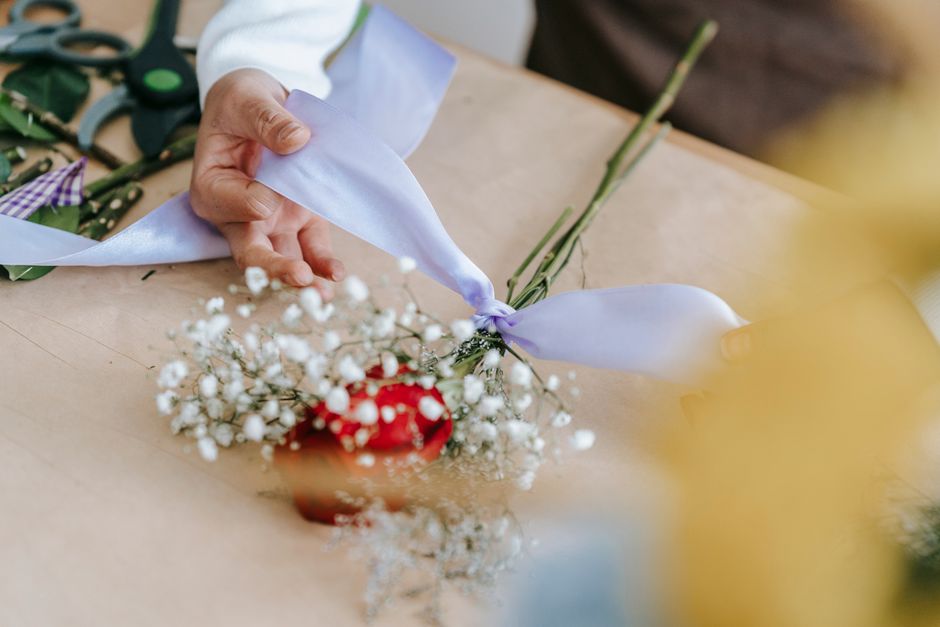
Why Insider tips for preserving bouquets from Reading florists Matters
Fresh flowers are one of those small luxuries that feel bigger than they look. A bouquet can mark a birthday, soften a difficult week, or make an ordinary dining table feel a bit more considered. That is why preserving it properly matters. You are not just trying to keep petals perky for a photo. You are trying to get the most from something chosen for an occasion, often with real sentiment attached.
Reading florists often design bouquets with a balance of visual impact and longevity. Some stems are naturally hardier than others, and some arrangements are built around flowers that open gradually. If you know how to care for them, you can extend that fresh look by a few days, sometimes longer. And when you have paid for delivery, timing, and presentation, it makes sense to protect the result. Let's face it, nobody wants to see a beautiful bouquet sag before the vase has even settled.
There is also a local reality here. Homes in Reading, like anywhere in the UK, can vary a lot in temperature and humidity. A bouquet near a radiator in winter or in a warm conservatory in summer will behave very differently from one on a cool sideboard. Small environment changes matter. Quite a lot, actually.
If you regularly send flowers, you may also want to think about the type of bouquet you choose in the first place. Some gift ranges are naturally easier to maintain than delicate, highly scented mixes. For example, a simple arrangement from flowers in a vase is often easier for the recipient to enjoy straight away, while a larger hand-tied bouquet may need a bit more settling-in. The right choice can save frustration later.
How Insider tips for preserving bouquets from Reading florists Works
Preserving a bouquet is really about managing three things well: hydration, cleanliness, and placement. Flowers cut for display no longer have roots, so they depend entirely on the environment you provide. If the water is dirty, stems are blocked, or the room is too warm, the bouquet declines faster. Simple enough in theory, but easy to get wrong in practice.
When a bouquet reaches your home, the stems continue to draw water through their cut ends. That means the cut needs to stay open and unclogged. Bacteria, wilted leaves in the water, and crushed stems can all shorten vase life. The goal is to keep the water moving and the flower heads supported. Think of it as helping the bouquet breathe.
Different flowers respond differently too. Roses are fussier about cleanliness and temperature. Chrysanthemums and carnations are often sturdier. Lilies can last well but need careful handling because pollen and open blooms can create mess or staining. A mixed bouquet can be lovely, but it is a little like a group project: the weakest stem affects the overall look faster than you expect.
For readers choosing a bouquet with longevity in mind, browsing a selection such as best sellers or florist choice can be a sensible move. Florists usually build these around reliable stems and balanced presentation, which helps if you want something that looks good for more than a day or two.
Key Benefits and Practical Advantages
Keeping a bouquet fresher for longer gives you more than just a prettier mantelpiece. It changes how you experience the gift.
- Better value for money: your flowers last longer, so the cost per day drops a bit.
- More time to enjoy them: the bouquet can stay part of your home's atmosphere through the week, not just the first evening.
- Less waste: proper care helps reduce the frustration of throwing away flowers too soon.
- Better presentation for special moments: useful for anniversaries, birthdays, or sympathy flowers where appearance matters.
- More confidence when gifting: if you send flowers, you want them to arrive looking cared for and stay that way.
There is another benefit that people often miss: good preservation habits make you more observant. You start to notice when a stem needs a fresh cut, when a room is too warm, or when a certain flower type simply wants cooler water. That kind of instinct helps on the next bouquet too.
For gift-givers, there is also a quiet trust factor. If someone receives flowers from a local Reading florist and they stay lovely for days, it reinforces the thought behind the gift. Not flashy. Just thoughtful. And that counts for a lot.
Who This Is For and When It Makes Sense
This guidance is useful for anyone receiving or sending fresh flowers, but a few groups benefit especially.
- Busy households: if you do not have time for daily flower fuss, you need a simple routine that still works.
- Gift buyers: if you are sending flowers for a birthday, thank-you, or apology, longevity matters.
- Event hosts: bouquets at dinners, parties, or small gatherings need to look fresh throughout the occasion.
- Sympathy and memorial senders: arrangements need respectful handling and a stable display environment.
- Flower lovers on a budget: if you have chosen a more modest bouquet, good care helps it go further.
It also makes sense if you are choosing between styles. A dense bouquet of mixed blooms may look spectacular, but it can be more sensitive to heat and water quality than a simpler arrangement. Sometimes the most practical choice is the one that gives you an easier care routine, not just the biggest wow factor.
That does not mean you should avoid gorgeous flowers. Far from it. It just means being realistic about your home and your schedule. If you are going away for the weekend, for example, a low-maintenance arrangement or a vase-ready design is the safer bet. A bouquet cannot do much on its own. It needs a bit of help, poor thing.
Step-by-Step Guidance
Below is the most reliable way to look after fresh flowers once they arrive from a Reading florist. It is straightforward, but the order matters.
1. Unwrap the bouquet and inspect it gently
Take off packaging carefully and check the stems, leaves, and water level. If there is any damaged foliage below the waterline, remove it straight away. Leaves sitting in water create bacteria fast, and that shortens vase life more than most people realise.
2. Choose a clean vase
This is non-negotiable. A vase that looks fine to the eye can still carry residue from the last bouquet. Wash it properly with warm water and a little washing-up liquid, then rinse well. If you want the flowers to last, do not cut corners here. Honestly, the vase matters more than people think.
3. Fill with fresh, cool water
Use fresh water rather than water that has been sitting around. Cool is usually better than warm unless the florist has advised otherwise for a specific flower type. If the bouquet came with flower food, add it according to the packet instructions.
4. Recut the stems
Trim the stems with sharp scissors or, better still, a clean floral knife if you know how to use one safely. Cut about 1 to 2 cm off the bottom at a slight angle. The angle helps the stem take up water more efficiently. Make the cut under running water or quickly transfer the stems into the vase after cutting so the ends do not dry out.
5. Remove anything that will sit below the waterline
Any leaves, soft petals, or side shoots below the water surface should go. If left in place, they break down and cloud the water. It is a tiny job with a big payoff.
6. Place the bouquet in a sensible spot
A cool, bright room is ideal, but avoid direct sun, radiators, fruit bowls, and drafty windows. Ripening fruit gives off ethylene gas, which can speed up fading. Not very romantic, that gas, but there we are. A side table away from the kitchen hob is usually a better home for flowers than the centre of a sunny window.
7. Refresh water regularly
Change the water every one to two days, or more often if it looks cloudy. Wash the vase when you do this if possible. Give the stems another slight trim if they start looking sealed or soft at the ends. Keep it simple and consistent.
8. Remove fading blooms promptly
If one flower starts to go over before the others, remove it. It helps the rest of the bouquet keep a fresher shape, and it stops decay from spreading. Mixed bouquets often look better for longer when you stay on top of this small task.
Expert Tips for Better Results
This is the part that tends to separate an average bouquet life from a good one.
Use cooler rooms when possible
Flowers age faster in warmth. Even moving a bouquet from a warm hallway to a cooler dining room can help. During a hot spell, you may notice a big difference by evening. In winter, keep them away from radiators and log burners. They dry flowers out faster than people expect.
Match the bouquet style to your care routine
If you know you are not going to manage daily maintenance, choose hardy stems or a vase arrangement. For example, a mixed bunch from mixed colours can be beautiful, but a more structured bouquet with longer-lasting stems may be easier if you want a low-effort display. The best bouquet is not always the most extravagant one. Sometimes it is simply the one you can look after well.
Handle soft stems with less pressure
Some flowers bruise easily. Try not to squeeze bunches too tightly while arranging them. If a stem head feels floppy, support it gently and avoid bending it more than needed. This is especially true for delicate petals after delivery, when they are still adjusting.
Use the right vase shape
Wide vases are fine for loose, open arrangements, but tall stems usually behave better in a vase that gives a bit of support. If stems lean all over the place, they can kink or sit unevenly in the water. That is when one side of the bouquet starts looking tired first.
Keep flowers away from bowls of fruit
This one gets overlooked constantly. Fruit may look harmless on the counter, but it can shorten flower life. Keep bouquets on a separate surface. Simple as that.
Ask the florist what the bouquet contains
If you know the main stems, you can care for them better. A bouquet with roses and lilies needs different handling from one with carnations and alstroemeria. A knowledgeable florist can usually tell you which stems are especially delicate and which are likely to last. If you are ordering a special arrangement, a quick call or message helps more than guessing.
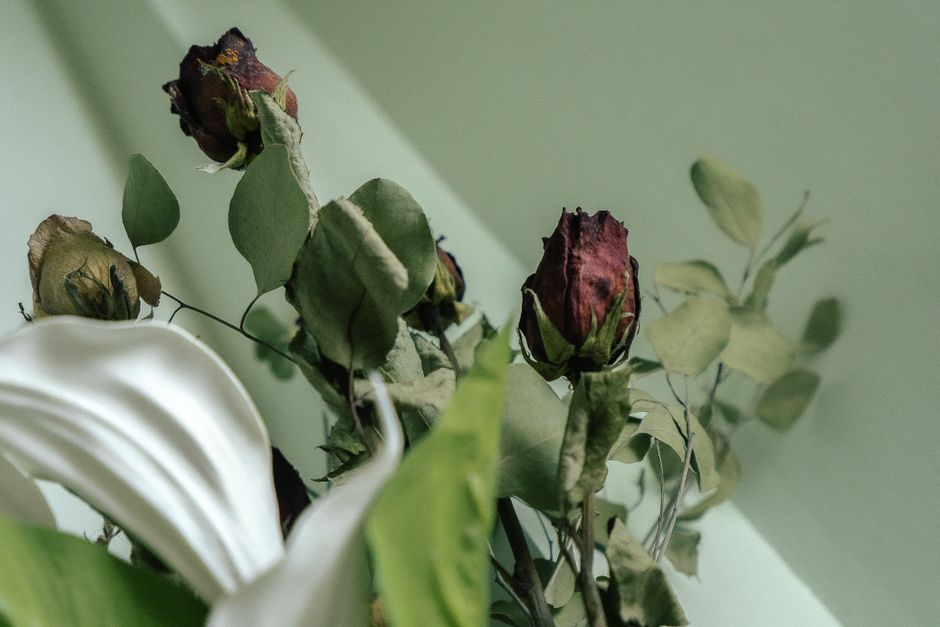
Common Mistakes to Avoid
Even people who love flowers make the same few errors. Nothing dramatic. Just little habits that add up.
- Leaving leaves in the water: this is one of the quickest ways to dirty a vase.
- Using a dirty vase: residue from previous arrangements can shorten life right away.
- Putting flowers in direct sunlight: they look cheerful there for an hour, then not so much.
- Placing bouquets near heat sources: radiators, ovens, and heating vents dry flowers out.
- Forgetting to refresh water: stale water means bacteria, cloudiness, and faster fading.
- Crushing stems while arranging: a rough cut or bent stem can reduce water uptake.
- Ignoring early signs of decline: once one bloom drops, the rest often follow sooner.
Another subtle mistake is treating all flowers the same. They are not. A tough little carnation behaves differently from a soft seasonal bloom. The arrangement might look unified, but the stems have their own opinions. Flowers, honestly, can be slightly dramatic.
If you have had mixed results in the past, do not assume the bouquet was poor quality. Sometimes the issue was simply placement or water care. That said, a well-arranged bouquet from a trusted local florist does give you a better starting point.
Tools, Resources and Recommendations
You do not need a drawer full of specialist equipment. A few sensible basics are enough.
- Clean vase: glass or ceramic, sized appropriately for the bouquet.
- Sharp scissors or floral snips: for clean cuts that do not crush stems.
- Fresh water: changed regularly rather than topped up indefinitely.
- Flower food: useful if supplied, especially for more delicate bouquets.
- Soft cloth or sponge: for washing the vase properly.
- Cool room space: perhaps the most underrated "tool" of all.
Some customers also find it useful to start with flowers that are naturally easier to manage. If that sounds like you, consider browsing flower care for maintenance guidance, or choosing an arrangement from all flowers and filtering for a style that suits your home. The less time you spend wrestling with the bouquet, the more time you spend enjoying it.
For a gift that needs to travel well, you might also look at flowers by post in Reading or next-day flower delivery if timing is tight. A bouquet that arrives in good condition is much easier to preserve than one that has been left waiting in the wrong conditions. Obvious, maybe, but still worth saying.
Law, Compliance, Standards, or Best Practice
For home flower care, there is not much in the way of legal compliance to worry about. But there are still sensible standards and best practices worth following. If flowers are delivered as part of a business gift, event, or hospitality setting, the same basic expectations apply: safe handling, clean containers, and clear communication about care.
If you are dealing with sympathy or funeral flowers, respectful placement and handling are especially important. Arrangements from sections such as funeral flowers or sympathy flowers are often intended for display over a meaningful period, so keeping them in a cooler room and topping up water carefully is good practice. No need for anything fancy. Just considerate care.
Best practice in the UK floristry world usually means fresh water, hygienic containers, careful stem conditioning, and accurate product descriptions where flower variety or vase style may vary. If a florist provides care notes, follow them first. Those notes are based on the stems they have actually used, which matters more than any general rule.
If you are sending flowers for an event or company setting, it can also help to choose arrangements that match the environment. A warm reception desk is not the place for the most delicate blooms, while a shaded meeting room may suit them better. Common sense, really. But it saves a lot of disappointment.
Options, Methods, or Comparison Table
There are a few different ways to approach bouquet preservation. Some are better if you want minimal effort; others suit people who enjoy a bit of hands-on care.
| Method | Best for | Pros | Watch out for |
|---|---|---|---|
| Simple vase care | Most homes and everyday bouquets | Easy, low-cost, effective | Needs regular water changes |
| Careful stem recutting | Mixed bouquets and delicate flowers | Improves water uptake | Can damage stems if done roughly |
| Cool-room placement | Longer display life | Reduces heat stress | Not always possible in small homes |
| Vase-ready bouquet | Busy recipients and gifts | Less handling, easy to display | Can still need water top-ups |
| Hardy stem selection | Value-focused buyers | Good longevity, reliable look | May feel less delicate or romantic to some |
In practice, many people combine two or three of these approaches. For example, a vase-ready bouquet with hardy stems, kept in a cool corner and refreshed every couple of days, can last surprisingly well. It does not need to be complicated. It just needs consistency.
Case Study or Real-World Example
Here is a simple real-world scenario. A customer receives a mixed bouquet on a Friday afternoon after ordering from a Reading florist for a weekend birthday at home. The bouquet arrives wrapped nicely, but the house is busy, music is on, people are moving around, and the flowers are left on the kitchen counter while food is being prepared. By Sunday morning, the water is cloudy and a couple of stems are already drooping.
Now imagine the same bouquet handled a bit differently. The recipient trims the stems straight away, uses a clean vase, removes lower leaves, and places it in a cooler living room away from the oven and the fruit bowl. The water gets changed on Sunday and again on Tuesday. The result is not dramatic theatre. It is just a bouquet that keeps its shape, scent, and colour for noticeably longer.
The interesting bit is that the flowers did not need heroic care. They just needed less chaos. That tends to be the pattern, to be fair. Most bouquets do best when they are given a calm, clean start.
For a gift bouquet that is meant to look polished on arrival, choosing a florist-backed option such as flower delivery in Reading or a seasonal style like summer flowers can also help. A bouquet selected for the season usually has a better chance of settling in well at home.
Practical Checklist
Use this quick checklist when your bouquet arrives. It saves time later.
- Remove packaging carefully
- Check for damaged petals and leaves
- Wash the vase thoroughly
- Fill with fresh, cool water
- Add flower food if supplied
- Recut stems at a slight angle
- Remove leaves below the waterline
- Place away from heat and direct sun
- Keep away from fruit bowls
- Refresh water every 1 to 2 days
- Trim stems again if they start to seal
- Remove fading blooms promptly
Best quick win: clean vase, fresh water, cool room. If you do only those three things well, you are already ahead of many households.
And if you are the sort of person who forgets every single time, put a sticky note on the fridge. No judgement. Flowers have a way of making us feel more organised than we are.
Get a free quote today and see how much you can save.
Conclusion
Preserving flowers is not about perfection. It is about giving a bouquet the clean water, careful handling, and calm environment it needs to do its job properly. The best insider tips for preserving bouquets from Reading florists are simple because they work: trim the stems, keep the vase clean, refresh the water, and place the flowers somewhere sensible. That is the core of it.
Once you get into the rhythm, you will notice the difference almost immediately. The bouquet holds its shape better. The petals stay brighter. The room feels fresher for longer. And the whole gift feels more valued, which is really the point. Beautiful flowers deserve a little care, nothing more, nothing less.
If you are choosing your next arrangement, think not only about colour and occasion but also about how it will live in your home for the next few days. That small bit of thought turns a lovely bouquet into a memorable one. And that is a nice feeling, truth be told.
Frequently Asked Questions
How long should a bouquet from a Reading florist last?
It depends on the flowers, the season, and how well you care for them. Some hardy bouquets can look good for a week or more, while more delicate blooms may fade sooner. Good water care and cool placement make a noticeable difference.
Should I cut the stems as soon as the bouquet arrives?
Yes, in most cases. A fresh cut helps the stems take up water more effectively. Use sharp scissors or floral snips and remove a small amount from the end of each stem, ideally at an angle.
Do I need to use the flower food that comes with the bouquet?
If flower food is supplied, it is usually worth using. It is designed to support hydration and slow bacterial growth. Follow the packet instructions rather than guessing the amount.
What is the best place to put fresh flowers at home?
A cool room with bright but indirect light is usually best. Avoid direct sunlight, radiators, ovens, and fruit bowls. Small changes in placement can really extend vase life.
How often should I change the water in the vase?
Every one to two days is a sensible routine for most bouquets. If the water turns cloudy sooner, change it earlier. Washing the vase at the same time helps keep bacteria under control.
Why do my flowers droop so quickly even when I water them?
Often the issue is not just water, but blockage, bacteria, heat, or crushed stems. Recutting the stems and using a clean vase can solve problems that topping up water alone will not fix.
Are vase-ready bouquets easier to preserve?
Usually, yes. Vase-ready arrangements reduce handling and make the first step much easier. They are a practical choice if you want something that looks good with minimal fuss.
Can I keep flowers in the kitchen?
You can, but it is not always ideal. Kitchens are often warmer and busier, with more temperature swings and exposure to fruit. If the kitchen is the coolest, brightest spot available, just keep flowers away from heat sources.
What flowers last longest in a mixed bouquet?
Hardier stems such as carnations, chrysanthemums, and alstroemeria often last well. Roses can also do nicely with proper care. The exact life of the bouquet still depends on the mix and the environment.
Should I remove wilted flowers from the arrangement?
Yes. Taking out fading blooms helps the rest of the bouquet stay tidy and can reduce the spread of decay. It also keeps the arrangement looking fresher for longer.
Is it better to buy a simple bouquet or a large one if I want it to last?
Not necessarily the size, but the stem choice matters more. A well-made simple bouquet with hardy flowers may last longer than a large delicate arrangement. If longevity is the priority, ask for reliable stems or a florist-led design.
Where should I start if I want the easiest bouquet to care for?
Start with a bouquet designed for easy display, ideally one that comes in a vase or uses sturdier seasonal stems. If you are unsure, choose a florist-selected arrangement and ask for care guidance when ordering. A small bit of planning goes a long way.